
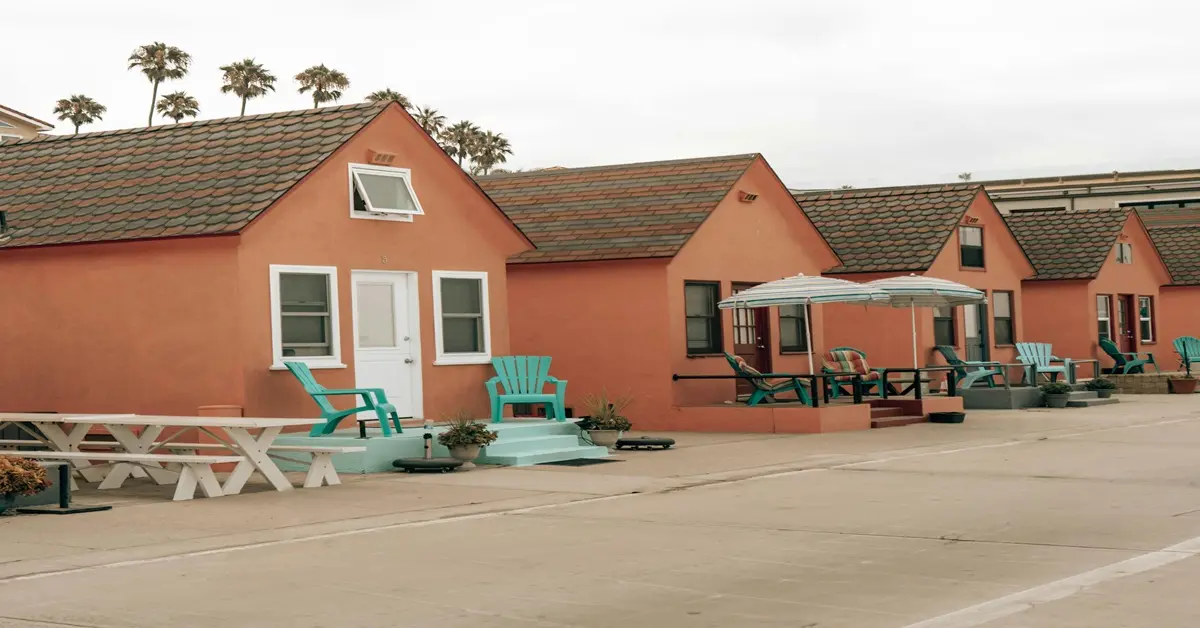
If you scroll listings for tiny houses for sale, it’s easy to think you’ve found a cheat code for the US housing crisis. Prices look low. Photos are cute. And the promise of a simple life is tempting.
But the real story is more mixed. Tiny homes are part of a fast‑growing niche market, yet they come with very real cost, zoning, and financing headaches that many buyers only discover later.
This blog breaks down 10 big pros, cons, and cost traps so you can decide if tiny houses for sale are actually a smart move for you.
Why tiny houses are trending in the US
Before the list, a quick snapshot:
- The tiny home market is growing steadily as buyers hunt for more affordable and sustainable housing.
- Typical tiny homes cost far less up front than the median US house, which was in the high‑300,000s to low‑400,000s range in recent data.
- Many people use tiny houses for sale for full‑time living, Airbnb‑style rentals, or second homes.
Now, let’s get into the pros and cons that matter.
1. Pro: Lower upfront price than a standard house
Most tiny houses for sale are cheaper than a normal single‑family home.
- Many sources put the typical tiny house cost roughly in the 30,000 to 80,000 dollar range, depending on size and finishes.
- By comparison, a normal home often costs several hundred thousand dollars, so the entry ticket is much lower.
For first‑time buyers, downsizers, or people priced out of big metro areas, that lower sticker price is the main draw.
Also read: 5 Cheapest States to Buy a House in the U.S. (And the Catch Behind Them)
2. Pro: Smaller, simpler lifestyle (by design)
With tiny houses for sale, less space forces you to be intentional.
- You own fewer things, clean less, and spend less time maintaining the property.
- Many tiny homes are designed with clever storage and multi‑use furniture, making daily life easier if you like minimalism.
If you’re drowning in clutter or tired of paying for rooms you never use, this is a real upside.
3. Pro: Lower ongoing costs (sometimes)
A smaller home can mean lower bills:
- Less space to heat and cool.
- Smaller surfaces to repair and maintain.
- Potentially lower property taxes if the assessed value is lower.
Rough estimates show monthly costs for utilities, insurance, and basic expenses in many tiny homes can land in a few hundred to around a thousand dollars, depending on location and setup. That is often below what many Americans pay on a full‑size home.
Also read: How Much House Can I Afford? A Simple Guide for US Buyers
4. Pro: Mobility and flexibility options
Many tiny houses for sale are built on trailers. Others are small units placed on land as accessory homes.
Mobility and flexibility can mean:
- You can move the house to new land or a tiny home community (subject to rules).
- You can use it as a vacation rental or guest house.
- You can test a new area or lifestyle without buying a full‑size home.
For digital nomads, remote workers, or long‑term travelers, this flexibility is a major plus.
5. Pro: Greener living and smaller footprint
Tiny homes use fewer materials and generally consume less energy over time.
- Market research shows demand is driven partly by buyers who want more sustainable and energy‑efficient living.
- Many tiny homes integrate solar, rainwater collection, and other eco‑friendly features.
If environmental impact is high on your list, tiny living lines up well with that value.
My Research:
“In my own research, I scanned multiple US listing platforms for tiny houses for sale, including Tiny House Listings, TinyHouseSociety, TinyHomies, and curated tiny‑home sections on major portals. Most move‑in‑ready units clustered between about 45,000 and 110,000 dollars, with a handful of ultra‑budget conversions under 30,000 and designer builds well above 100,000 dollars. Across sites, the “affordable tiny home” sweet spot consistently sat in roughly the 60,000-90,000 dollar band.
On the public side, a HUD case study of the Chandler Boulevard Tiny Homes Village in Los Angeles shows how much cities actually spend per unit when they add common facilities, services, and staffing.”
6. Cost trap: The real build vs. buy math
The low list price on tiny houses for sale can hide the full picture.
Recent cost breakdowns show that:
- A prefab tiny house can range from about 25,000 to 80,000 dollars or more, depending on whether it’s a basic shell or fully finished.
- A custom‑built tiny home can run roughly 50,000 to 140,000 dollars, especially with high‑end or off‑grid features.
- Cost per square foot is often higher than a normal house, sometimes in the 150 to 450 dollars per square foot range because you’re packing a lot into a small footprint.
If you build yourself, you may be looking at material costs and tools that can still add up to tens of thousands of dollars, plus a huge time investment.
Bottom line: Tiny does not automatically mean “dirt cheap,” especially if you want comfort, code compliance, and durability.
Also read: 10 Most Affordable Housing Markets in America for 2026 (You Won’t Believe #7!)
7. Cost trap: Land, permits, and hookups add up fast
Even if you buy one of the cheaper tiny houses for sale, you still need somewhere to put it and a way to connect basic services.
Common extra costs include:
- Land: National averages for an acre of land can sit around the high‑teens of thousands of dollars, with big swings by state and metro.
- Permits: Building permits and inspections can easily range from a couple hundred dollars to a few thousand, depending on local rules.
- Foundation and site work: A small foundation can run several thousand dollars, plus possible surveying and grading costs.
- Utility hookups: Connecting to water, sewer or septic, and electricity can add many thousands more, especially on rural land.
If you park in a tiny house community, you skip some of these costs but instead pay monthly pad rent, which can run a few hundred to over a thousand dollars per month in popular areas.
8. Con: Zoning and legality can be a nightmare
One of the biggest problems with tiny houses for sale is where you’re legally allowed to live in them.
Key issues:
- Many towns set minimum square footage for houses, which some tiny homes do not meet.
- Tiny homes on wheels are often classified as RVs, not houses, limiting where you can park or live in them full‑time.
- Tiny homes on foundations are sometimes treated as accessory dwelling units (ADUs), which can trigger specific zoning rules, parking requirements, and design standards.
State‑by‑state guides confirm that rules vary wildly, and some cities still do not welcome tiny houses at all.
If you buy first and research zoning later, you can end up with a beautiful tiny home you’re not allowed to live in where you planned.
9. Con: Financing tiny homes is still hard
Traditional mortgage lenders like standard houses. Tiny homes do not always fit that box.
Common roadblocks:
- Some lenders require homes to be at least 600-800 square feet to qualify for a conventional mortgage.
- Banks and credit unions may see tiny homes as too niche to appraise and resell if they have to foreclose.
- Appraisers often struggle to find enough comparable tiny home sales, which makes valuing the property harder.
Because of this, many buyers use:
- Personal loans
- RV loans (for tiny houses on wheels)
- Home‑equity loans or cash‑out refis on another property
- In‑house or partner financing from specialized tiny home builders
These options can have higher interest rates, shorter terms, or larger down payments than a standard mortgage, which changes the “cheap tiny living” math quickly.
10. Con: Not everyone is built for tiny living
This one is less financial and more personal, but it still matters.
Reality checks:
- Living in 150-400 square feet means very limited privacy, especially for couples or families.
- Storage for hobbies, sports gear, or seasonal items is tight.
- Hosting guests or working from home can feel cramped fast.
Articles on tiny living challenges highlight location issues, lack of city services, and the emotional adjustment of going from a standard home to a 200‑ish square foot space.
If you like space, long showers, big kitchens, and personal zones, tiny home life may wear on you over time.
Also read: 10 Proven Ways to Lower Your Closing Costs (Save $3,000+ on Your Home Purchase)

Who are tiny houses for sale actually good for?
Based on today’s US market and rules, tiny houses for sale tend to work best for:
- Minimalists who truly want fewer things and simpler living.
- Solo remote workers who can live outside big metro cores and don’t need much space.
- Second‑home buyers who want a simple cabin or weekend place without full‑size‑home costs.
- Hosts and investors using tiny homes for short‑term rentals in areas where it’s legal and in demand.
- Homeowners adding an ADU in a backyard in states or cities that support small accessory units.
They are usually not a great fit for big families, people who hate rules, or anyone who hasn’t deeply researched their local zoning and financing options.
FAQs: Tiny houses for sale in the US
1. How much do tiny houses for sale usually cost in the US?
Many tiny homes fall roughly in the 30,000-to-80,000-dollar range, but high‑end custom builds can go well above that. Prefab shells are often cheaper than fully finished custom homes, but you still must add land and setup costs.
2. Are tiny houses legal to live in full‑time everywhere in the US?
No. Tiny house legality depends on local zoning and building codes. Some places allow tiny homes as ADUs or in designated parks, while others restrict them or require minimum square footage for full‑time living. Always check local rules before you buy.
3. Can I get a regular mortgage for a tiny house?
Often not. Many lenders require larger square footage and treat tiny homes on wheels as RVs rather than real estate. Buyers commonly rely on personal loans, RV loans, or special tiny home financing partners instead.
4. Are tiny homes always cheaper than renting an apartment?
Not always. While the upfront price for tiny houses for sale is lower than most houses, you still have to factor in land, permits, utilities, insurance, taxes, and any loan payments. In some markets, a small apartment could still be cheaper and more flexible.
5. How do I know if a tiny house is right for me?
Ask yourself a few questions: Can I truly live with less stuff and less space? Am I willing to deal with zoning and financing hurdles? Do I have a realistic budget that includes land and monthly costs? If the answer is yes, and you’ve researched local rules, tiny houses for sale can be a smart, creative option; if not, a small conventional home or condo might be a better move.